
Levi Johnson's Articles
9 posts.
7 Minute Read
Creating Tension in Writing: Pixar's Soul
“Existence in the physical universe is basically playful. There is no necessity for it whatsoever. It isn’t going anywhere. That is to say, it doesn’t have some kind of destination it ought to arrive at. It is best understood by analogy with music because music as an art-form is essentially playful. We say you play the piano. You don’t work the piano. Why?” – Alan Watt
This quote from Alan Watts is the first thing I thought of after watching Pixar’s newest release, Soul. Conveniently, the movie
5 Minute Read
Show Don't Tell: Direct and Indirect Characterization
One of the best ways to make characters feel real is by showing rather than telling. Here, we'll show you how to do this using narration, action, and dialogue!
7 Minute Read
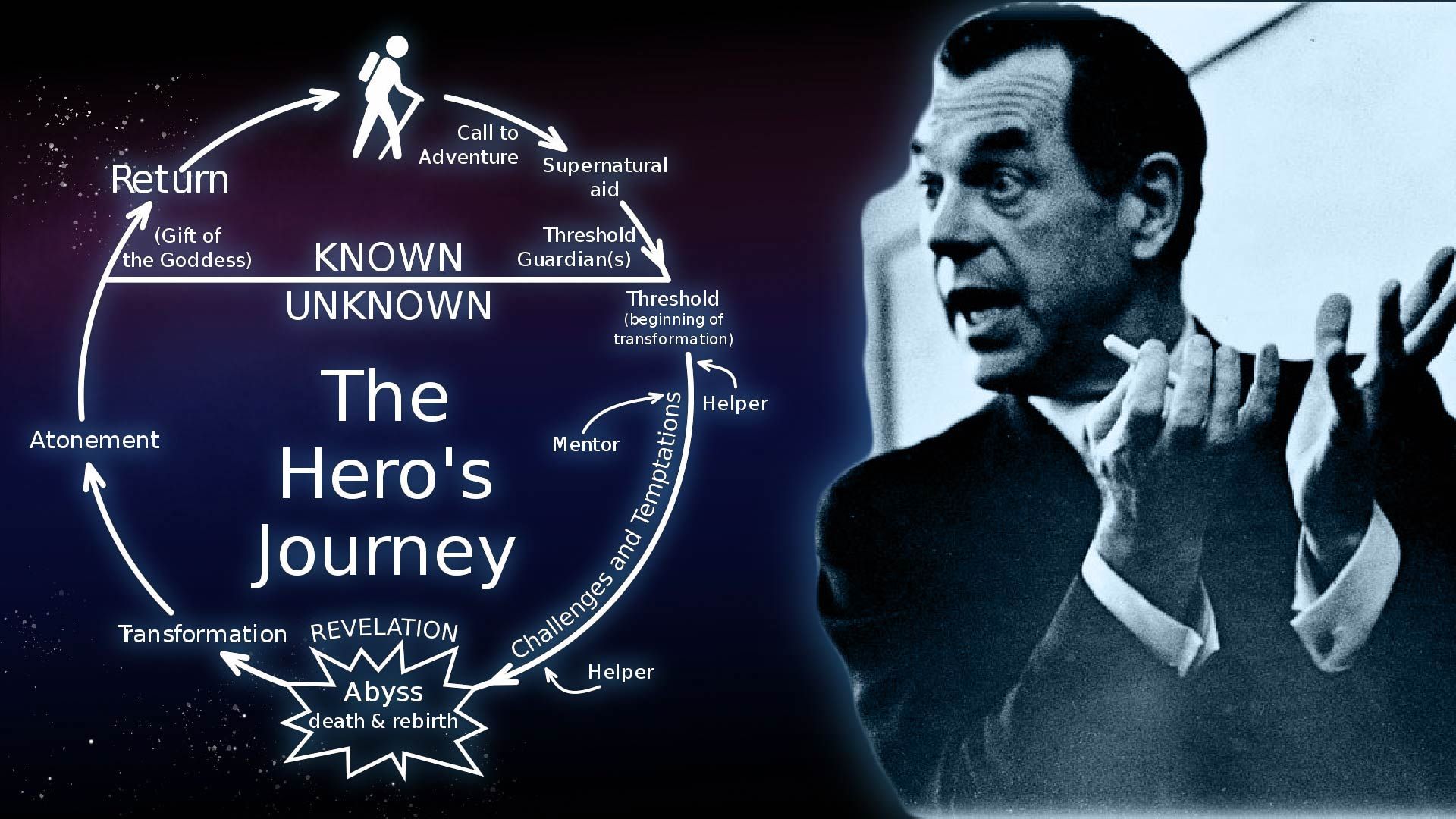
Reading Joseph Campbell Will Help You Become a Better Writer
Joseph Campbell was the first one to bring the monomyth to the public eye, and reading his work can help us understand how we can make our stories emotionally resonate with readers.

6 Minute Read
4 Ways to Weave Exposition & Worldbuilding into Your Story
Tips for weaving exposition and worldbuilding detail in your story, from choosing the narrator's point of view to worldbuilding through various story elements to showing and telling.

8 Minute Read
How to Write Engaging Dialogue
Dialogue is a tricky thing and requires careful consideration. Going into a
scene without a plan may spell doom. Bad dialogue is easy to catch and will sink
a story for any reader. Dialogue is one of the most powerful tools for
characterization, and demands our full attention. It makes the reader relate to
characters on a personal level and brings characters to life in a way that
description can’t. If your dialogue is bad, your characters will be unrelatable
and boring, and bad characters will k

7 Minute Read
Learn From Your Favorite Authors by Developing a Critical Eye
If you have sought writing advice in the past, you have no doubt been told to
read a lot. Stephen King is so serious about reading that he says if you don’t
have time to read, then you don’t have time to write. Reading is that important
to writing. It’s your window into the author’s world and how masters of the
craft make magic happen on the page.
When you read for pleasure, the story plays out as a movie in your head. You
can’t take it so easily when you read to learn. You must dive into the d
7 Minute Read
How to Choose Between a Hard or Soft Magic System
Magic lies at the heart of fantasy. Its tropes are beloved, but as the world becomes more saturated with magic-filled stories, it has become more important than ever to make your magic system standout and believable.

9 Minute Read
What You Need to Know to Write Romance
Romance: It’s the most popular fiction genre in the world.
And the competition isn’t even close.
Romance rakes in as much dough as the Crime/Mystery and Religious/Inspirational genres combined, which make up the 2nd and 3rd most popular genres respectively.
It is the undeniable leader of fiction, but the genre is a curious one. There are tight tolerances on what constitutes romance. Fans of the genre have very clear expectations when they sit down to read, and if those elements aren’t there,

6 Minute Read
Giving, Receiving, and Seeking Criticism
Criticism: You hate it. I hate it. We all hate it, but we all need it. Criticism
helps us grow and become better writers. Many of us are afraid to share our work
before we deem it “finished,” but the more we share it and get feedback, the
better our work will be. The magic happens in the draft, but the art happens in
the editing and revising.
We need to know how to give proper criticism to help the writers around us, and
we need to know how to take and use criticism that may not seem helpful on
WriteWriting AppsWord ProcessorWorldbuilding ToolsCharacter CreatorStory PlanningInteractive MapsCalendar CreatorTimeline MakerConlang SoftwareSoftware PricingGift CampfireRedeem Modules
©2019-2026 Campfire Technology LLC. All Rights Reserved